8 Top Ways to Prevent No Shows at Your Tattoo Shop
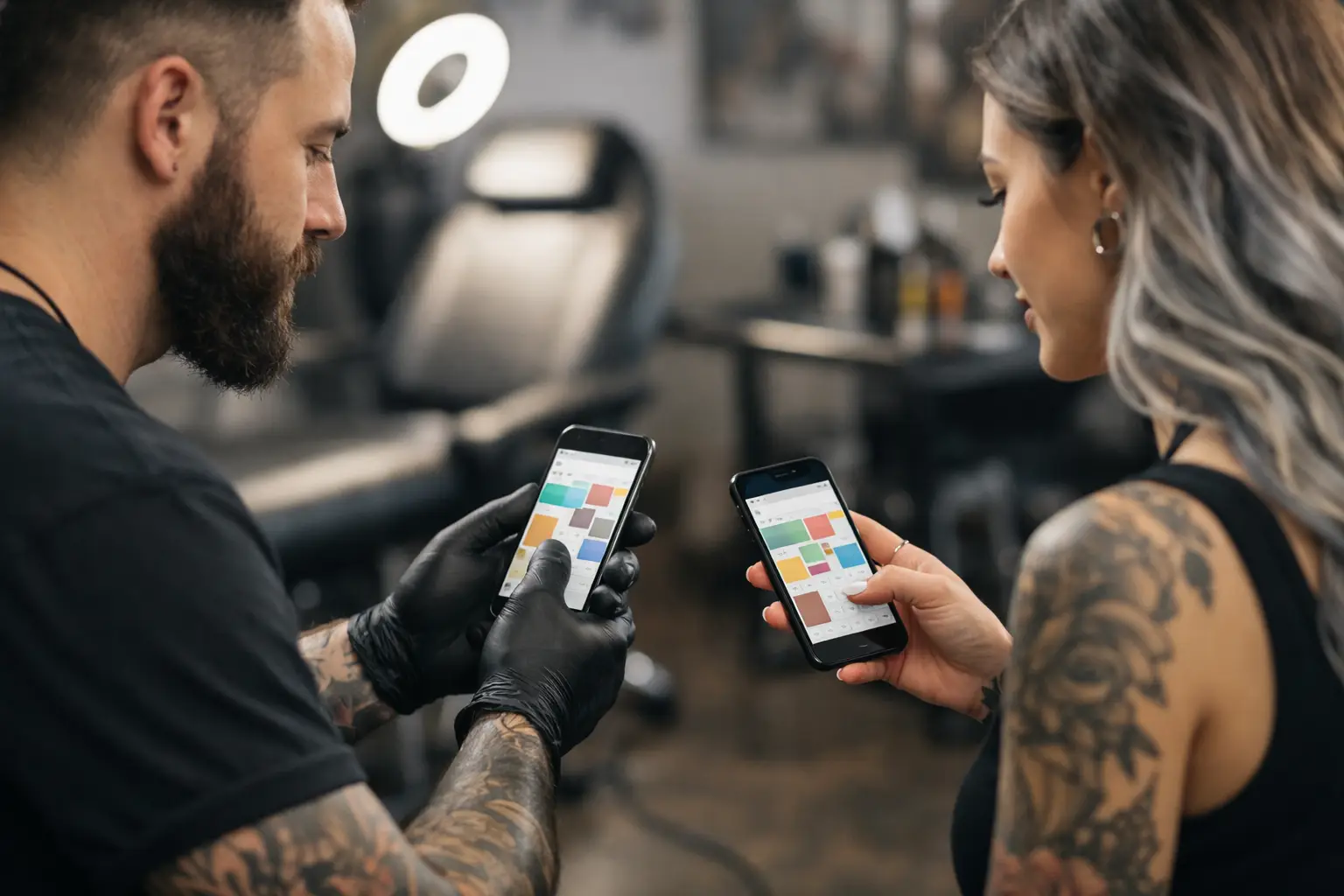
An empty chair at 2 p.m. is more than a missed tattoo. It is lost income, a broken day, and that annoying feeling that you could have booked someone from your waitlist. The top ways to prevent no shows are not complicated, but they do require a system that makes clients commit before you spend another hour answering DMs.
People miss appointments for real reasons. Cars break down. Kids get sick. Life gets weird. But plenty of no-shows happen because the booking felt casual, the client forgot, or nobody made the next step clear. Fix those parts and your books get a whole lot less flaky.
1. Take a deposit before the appointment is real
A deposit is not rude. It is a filter.
When a client has money on the line, they are more likely to show up, communicate if plans change, and treat your time like it has value. Because it does. A $50, $100, or percentage-based deposit can work - the right amount depends on your rate, your city, and the size of the piece.
For a small flash tattoo, a massive deposit can feel excessive and turn away good walk-ins. For a full-day session or custom design, a tiny deposit barely covers the time you have already spent drawing and planning. Match the deposit to the commitment required.
Make the rule simple: no deposit, no appointment. Not "I will send it later." Not "my friend is paying tonight." No deposit means the slot is still open.
2. Put your cancellation policy where clients cannot miss it
A policy hidden in an Instagram highlight from 2022 is not a policy. It is a future argument.
Tell clients exactly what happens if they cancel late, reschedule, or do not show. Use plain language. For example: deposits are nonrefundable, deposits can move once with at least 48 hours' notice, and no-shows lose their deposit and need a new one to rebook.
The goal is not to sound tough. It is to remove the surprise. Clients are much less likely to argue when they agreed to the terms before they booked.
Have them acknowledge the policy during booking, not after they disappear. Pair it with your consent form so the boring-but-necessary stuff is handled before tattoo day.
3. Send reminders that are actually useful
A reminder should answer the questions clients always ask five minutes before leaving home: What time am I coming? Where do I park? What do I need to bring? Can I eat first?
Send one reminder a few days before the appointment, then another the day before or the morning of. Include the date, start time, studio address, parking details if they matter, and any prep instructions. Ask the client to reply or confirm if that fits your process.
Do not turn reminders into novels. A wall of text gets ignored. Keep it clean, specific, and hard to misunderstand.
The timing matters, too. A reminder sent three weeks early gets buried. One sent 20 minutes before the appointment is too late to save the slot. The sweet spot is enough notice for a client to speak up if there is a problem.
4. Make booking feel like a real commitment
If someone can claim a Saturday slot with one vague DM and no follow-up, they may treat it like a casual maybe.
Give every client a clear path: submit the idea, choose a time, pay the deposit, read the policy, complete the consent form, get the confirmation. That does not need to be a pain. It just needs to be complete.
This also saves you from the classic message archaeology: scrolling through a 47-message thread to find the reference photo, the promised date, and whether they ever paid. One booked appointment should have one place for the details.
A solid booking flow makes serious clients feel taken care of. It also makes flaky clients reveal themselves before they eat up your calendar.
5. Confirm custom appointments before you draw
Custom work needs an extra checkpoint. If you are about to spend hours on a detailed sleeve concept, do not assume that silence means excitement.
Send a quick confirmation message several days before you begin final drawing or before the appointment, depending on your normal process. Ask them to confirm the date, placement, size, and any key changes. If they do not respond, follow your policy instead of doing unpaid detective work.
This is especially useful for larger pieces booked far in advance. A client who booked in January may have completely forgotten about March. Better to find that out with enough time to fill the opening.
6. Build a waitlist before you need one
Even great clients have emergencies. You will not stop every cancellation. The move is making sure one cancellation does not wreck your day.
Keep a short list of clients who want last-minute openings, flash days, or small-to-medium pieces. When a slot opens, send one clear message with the date, time, location, and deposit requirement. The first person to pay gets it.
Do not spend an hour bargaining over a discounted rate just because the appointment is tomorrow. Last-minute openings can be a good chance to offer flash or a smaller design, but your time is still your time.
A waitlist turns "welp, there goes Tuesday" into a shot at filling the chair fast.
7. Make it easy to reschedule the right way
Some artists make rescheduling so awkward that clients simply vanish. Others make it so loose that every appointment becomes movable forever. Neither one helps.
Give clients a clear way to reschedule within your notice window. Tell them whether their deposit transfers, how many times it can transfer, and what happens after a late cancellation. Then stick to it.
Consistency is the whole game. If one person loses a deposit and the next person gets three free moves because they used enough sad-face emojis, clients learn that the policy is negotiable.
You can be kind without giving away your calendar. A fair rule applied every time is kinder than an unpredictable one.
8. Stop running appointments through scattered DMs
DMs are great for sharing healed photos and talking tattoo ideas. They are terrible as your entire booking system. Messages get buried, notifications get missed, and a client can honestly think they are booked when they never finished the deposit step.
Use an all-in-one setup that keeps inquiries, appointments, deposits, consent forms, and payments together. OneBook was built for exactly this mess: less back-and-forth, automatic consents, built-in payments, and fewer tabs open while you are trying to tattoo.
The best system is the one you will actually use every day. If it takes ten steps to book someone, you will end up back in your DMs by Friday. Keep it easy for you and obvious for the client.
The top ways to prevent no shows start with boundaries
No-show prevention is not about treating every client like they are about to ghost you. It is about making the respectful path the easiest path. Clear rules, a real deposit, useful reminders, and a backup plan give good clients what they need and protect your time from everyone else.
Your calendar should not depend on crossed fingers. Set the rules once, make them easy to follow, and get back to the part of the job that matters: more tattoos, more happy clients, and less chasing people for a deposit.
