Appointment Reminders for Tattoo Artists
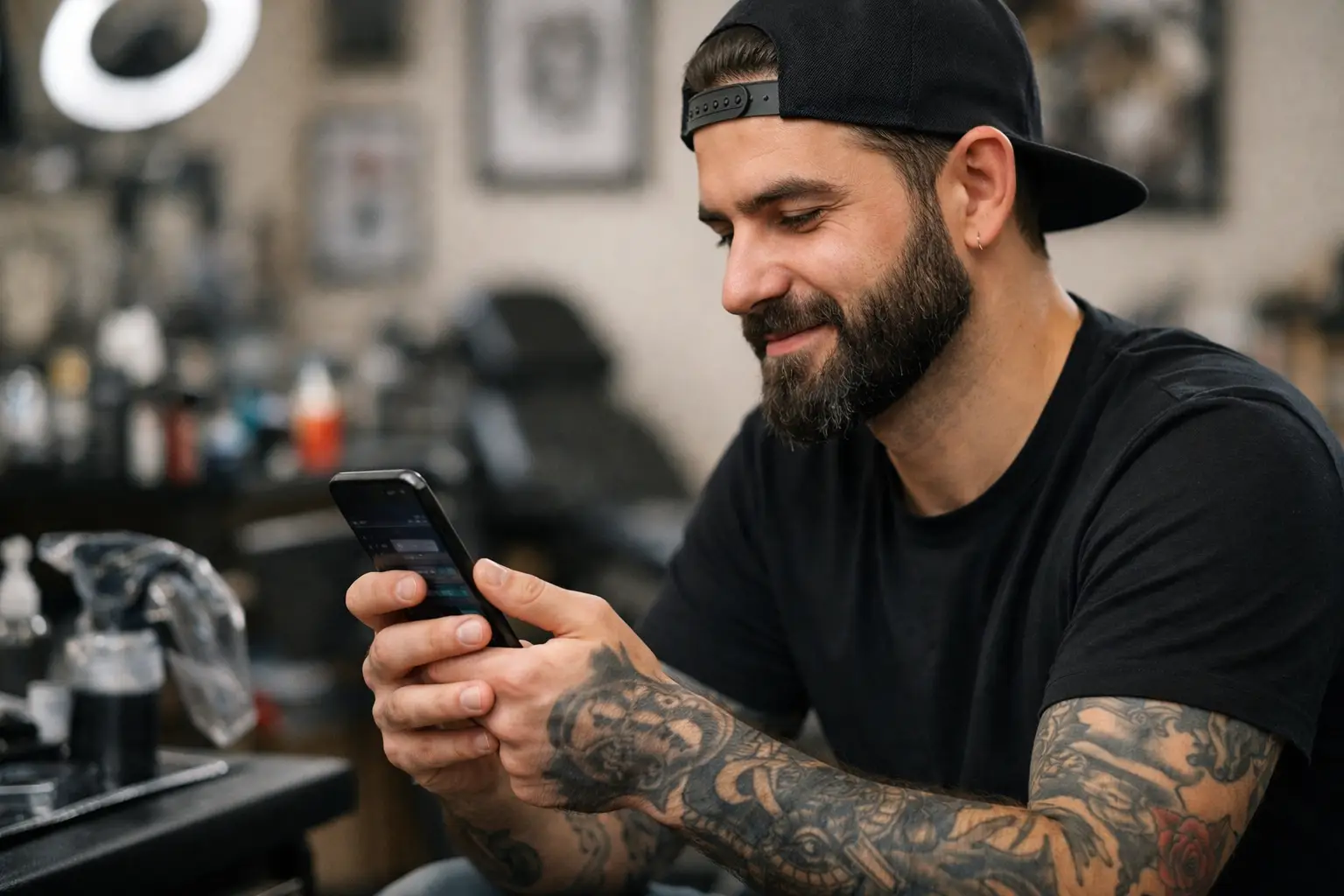
You know the type. Client books three weeks out, sounds locked in, sends heart emojis about the design, then vanishes the day of the appointment like they got abducted. That is why appointment reminders for tattoo artists matter so much. Not because clients are bad people - because life gets noisy, phones get buried, and your schedule takes the hit.
A missed tattoo appointment is not just an empty chair. It is lost time, broken momentum, wasted setup, and a gap in the day you probably could have filled. If you are still sending reminder messages by hand between tattoos, lunch, and trying to answer fresh inquiries, you are doing admin work that should have been handled already.
Why appointment reminders for tattoo artists actually work
Most no-shows are not drama. They are friction. A client forgets the date, mixes up the time, misses your prep instructions, or assumes they already paid the deposit when they did not. Every little gap creates a chance for the booking to fall apart.
Good reminders fix that by keeping the appointment real in the client’s mind. A reminder says, in plain terms, you are booked, here is the day, here is the time, here is what you need to do next. It turns a vague future plan into an actual commitment.
There is also a money side to it. Artists lose cash when a chair sits empty, but they also lose time chasing people. One message turns into three. Then you are checking DMs, text threads, email, payment apps, and maybe a note app that looked like a good idea six months ago. It is a mess. A reminder system cuts that back-and-forth down hard.
That does not mean every reminder setup works the same. If your reminders are late, unclear, or buried in some clunky process, they help less than you think. The point is not just to send a message. The point is to send the right message at the right time without making more work for yourself.
What a good reminder should include
A solid reminder is boring in the best way. No mystery. No fluff. No scavenger hunt. The client should know exactly what is happening after one quick read.
That usually means their appointment date and time, your shop or studio info, any prep instructions, and a clear note about what still needs to be done. If a deposit is missing, say it. If a consent form needs to be signed before arrival, say it. If they need to confirm, give them a simple way to do it.
This is where artists get tripped up. They think of reminders as just a time check. But a tattoo appointment has more moving parts than a haircut. There may be reference photos, skin prep rules, deposit status, placement details, consent paperwork, and custom design expectations. If those pieces live in five different places, reminders feel half-finished.
A reminder works best when it pulls the whole appointment together.
Timing matters more than people think
If you send one reminder a week before the appointment and call it good, that might work for some clients and totally fail with others. Too early, and they forget again. Too late, and they do not have time to handle what is missing.
For most tattooers, a layered approach makes more sense. One reminder a few days out gives the client time to deal with deposits, forms, and schedule changes. Another closer to the appointment helps stop the classic "oh damn, that was today" moment.
There is some nuance here. If you book large-scale work months in advance, you may want a check-in earlier than you would for a small flash piece booked for next week. If your clients travel in from outside town, prep matters more. If you run a private studio and scheduling is tighter, confirmations matter more. It depends on how you book and what kind of work you do.
The main thing is this: reminders should support your process, not fight it.
Manual reminders are fine until they are not
Plenty of artists start by doing everything manually. Text here. DM there. Maybe a note on the calendar that says, "remind Jenna Thursday." It works when your books are light. Then the schedule fills up and suddenly you are spending part of every evening doing follow-up work instead of drawing, tattooing, or being off the clock like a normal human.
Manual reminders also break easily. You get busy. You forget one client. You remind another one twice. Somebody replies in Instagram, somebody else replies by text, and now you are doing detective work with a machine wrapped in paper towels.
That is the real problem. It is not just effort. It is inconsistency.
When reminders are automated, every client gets the same clear process. Nobody slips through because your day got slammed. Nobody gets different instructions because you copied and pasted the wrong message. The system does the boring part so you can focus on the tattoo.
Reminders work better when they are tied to deposits and consents
This is the part a lot of booking tools miss.
A reminder by itself is helpful. A reminder connected to the rest of the appointment is way better. If a client still owes a deposit, the reminder should push that forward. If they have not signed their consent form, the reminder should handle that too. Otherwise you are still patching things together by hand.
For tattoo artists, that matters because no-shows rarely come out of nowhere. Usually there were signs. The deposit never came through. The client never filled out the form. They stopped answering. A connected reminder flow catches that earlier.
If someone confirms the appointment, pays the deposit, and signs the consent ahead of time, the odds of them ghosting drop. Not to zero - people still do weird stuff - but lower. A lot lower.
That is why all-in-one booking matters. One app for inquiries, appointments, deposits, payments, and automatic consents makes reminders actually useful instead of just decorative. OneBook was built for tattoo artists who were tired of chasing all that stuff across five apps and a stack of screenshots.
Keep the tone clear, not corporate
Clients do not need a robotic message that sounds like a dentist office from 2007. They also do not need a novel.
The best reminder tone is simple, direct, and human. Something that sounds like your shop, not like legal paperwork with a smiley face taped on. You want the client to read it fast and know what to do next.
That does not mean being sloppy. Clear beats clever when the appointment is on the line. If your reminder is too casual, people skim past the important part. If it is too stiff, it feels like spam. There is a middle ground.
Think of it like this: you are not trying to charm them. You are trying to keep the booking solid.
The hidden benefit: better days in the shop
When reminder systems work, the biggest win is not just fewer no-shows. It is a calmer day.
You walk in knowing who is confirmed. Deposits are handled. Forms are done. You are not sending a "hey just checking in" text while setting up your station. You are not wondering whether the 1 p.m. is real or imaginary. Your day feels tighter because it is tighter.
That also changes how clients see you. Clean communication makes you look organized, even if your sketchbook, coffee station, and back room say otherwise. Clients trust artists who have their process dialed in. That trust makes rebooking easier, cuts confusion, and saves everyone time.
There is even a customer service angle here, if you want to call it that without sounding weird. Good reminders help solid clients show up prepared. They know when to eat, what to bring, how to prep their skin, and what paperwork is already handled. That means less chaos when they walk in.
What to look for in a reminder system
If you are picking a setup, do not just ask whether it sends messages. Ask whether it actually fits how tattoo booking works.
You want reminders that connect to appointments automatically, not reminders you have to babysit. You want them tied to deposits, payments, and consent forms. You want something easy enough to use between sessions, not a system that feels like filing taxes. Dirt cheap helps too, because nobody gets into tattooing to stack monthly subscriptions like flash sheets.
A fancy system that creates extra steps is still extra work. A simple one that keeps clients on track is the move.
And yes, some artists will always want to send certain reminders themselves, especially for custom work or high-ticket projects. Fair enough. Automation does not have to replace your voice. It should handle the repetitive stuff so you can step in where it actually matters.
Appointment reminders for tattoo artists are not some bonus feature. They are part of protecting your time, your income, and your sanity. Every missed appointment starts as a small communication gap somewhere. Close the gap early, and your books stay tighter.
Your job is to tattoo people, not hunt them down for confirmations at 10:47 p.m. If your reminder system can take that nonsense off your plate, that is not a luxury. That is more time tattooing.
