How to Reduce Tattoo No Shows and Fill Your Day
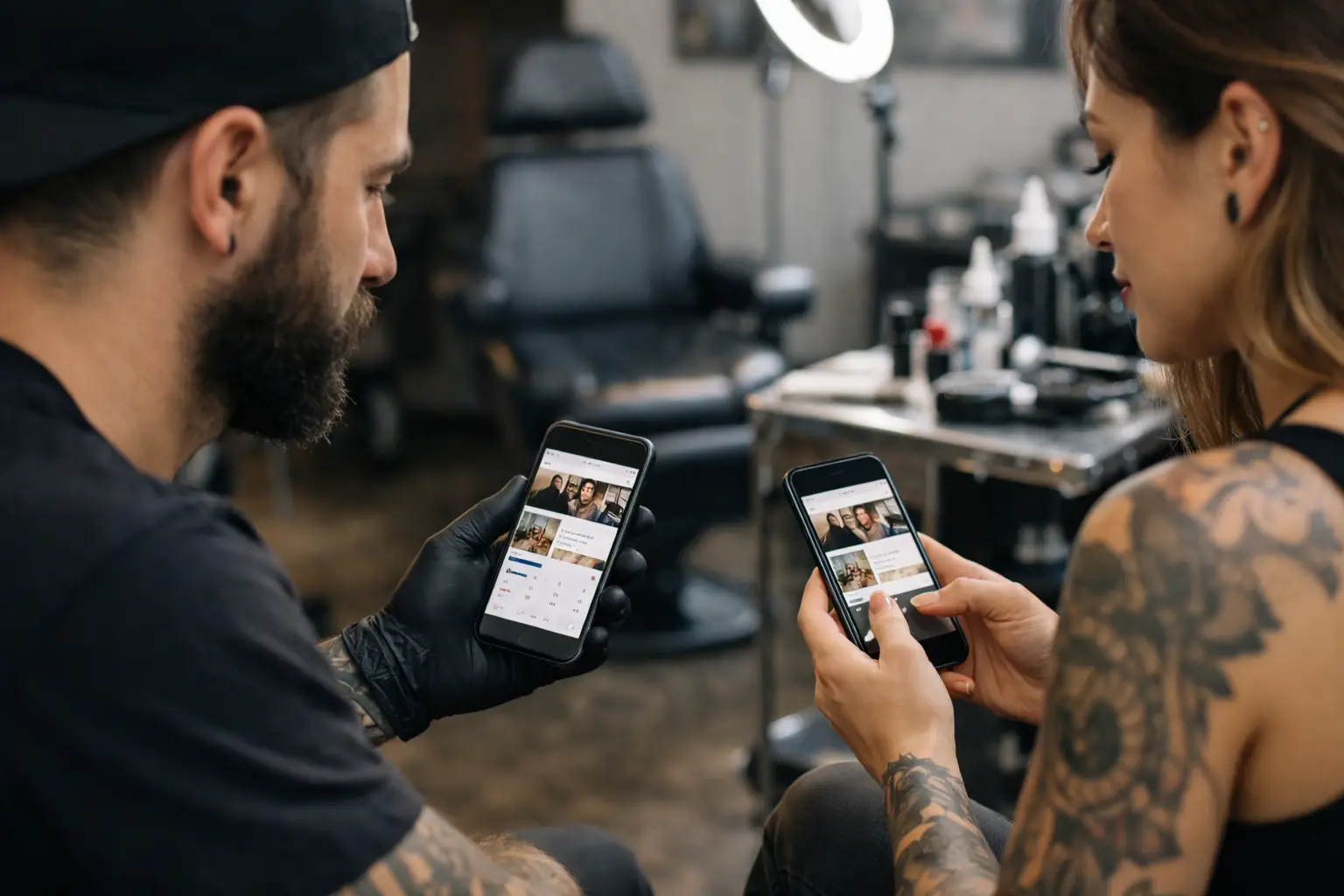
A no-show does more than leave an empty chair. It burns the stencil time, the setup, the slot you could have given to someone serious, and sometimes your whole mood for the day. If you are figuring out how to reduce tattoo no shows, start here: make booking feel like a real commitment, not a casual DM that disappears into the void.
You will never stop every cancellation. Life happens. Cars break down. Kids get sick. But you can stop the people who book with zero skin in the game, forget their appointment, or treat your time like it is optional.
How to Reduce Tattoo No Shows Without Chasing People
The fix is not sending more messages at 11 p.m. or keeping a spreadsheet that looks like a crime board. The fix is a simple booking path that makes the next step obvious for clients and automatic for you.
A good system does four things: it collects a deposit, spells out the rules, reminds the client, and makes rescheduling easy enough that they do it before ghosting. That is it. No begging. No detective work through old DMs.
Take Deposits Before You Hold the Slot
A deposit is not punishment. It is proof that both people are taking the appointment seriously.
When someone has paid even a reasonable amount, they are far more likely to show up, give notice, or reschedule properly. They have something attached to the appointment besides a vague "see you Tuesday." It also protects part of your income when they do not show.
Pick a deposit amount that fits the tattoo and your market. A small flash appointment may only need a modest flat deposit. A full-day session, custom piece, or appointment that blocks out prime Saturday time should require more. The goal is enough that a client notices it, without making the booking process feel ridiculous.
Keep the rule clean: the deposit goes toward the tattoo when the client shows up. If they cancel with enough notice, it can move to a new date. If they no-show or cancel too late, it is forfeited. Put the exact notice window in writing. Forty-eight hours is common, but your schedule may need 72 hours for large pieces or weekend appointments.
Do not make exceptions your default. You can always use judgment for a real emergency. Just do not train regular late cancellers that your policy is more of a suggestion.
Make Your Booking Rules Impossible to Miss
Most arguments start because a client claims they "didn't know." Fine. Remove that excuse before it shows up.
Your cancellation policy should appear during booking, alongside the deposit request, and in the confirmation message. Use normal language. Nobody needs a legal novel to book a tattoo.
Say what happens if they cancel late, arrive late, need to reschedule, or fail to complete required paperwork. Also say whether deposits are transferable and how many times an appointment can be moved. A simple policy is easier to enforce because clients can actually understand it.
Here is the bigger point: consistency matters more than sounding tough. You do not need to be harsh. You just need to mean what you say. A clear policy protects good clients too, because it keeps your calendar from being clogged by people who are not ready.
Send Reminders at the Right Time
People forget appointments. Even people excited about their tattoo. A reminder is cheap insurance.
Send a confirmation right after they book, then a reminder a few days before the session, and another the day before. Include the appointment date and time, studio address, parking details if they matter, and anything the client needs to do before arriving. For longer sessions, remind them to eat, hydrate, bring what they need, and show up on time.
The best reminder also gives them a clear way to reschedule. Do not make a client hunt through your Instagram, find an old message thread, and hope you see it. Friction turns a possible reschedule into a no-show.
If a client does not confirm a day-before reminder, do not panic. Some people simply do not reply. But for a client with a history of moving appointments or going quiet, a quick check-in can save the slot. If they still do not respond, follow the policy you already gave them.
Stop Booking Serious Work Through Loose DMs
DMs are great for showing healed work, answering quick questions, and sharing a sketch teaser. They are terrible as your entire booking system.
Reference photos get buried. Dates get mixed up. Someone says "next Friday" and means a different Friday. Then you are scrolling back through three weeks of messages trying to figure out whether they paid, confirmed, or just sent a fire emoji.
Move serious inquiries into one booking flow. Get the tattoo idea, placement, size, availability, budget range if you ask for it, and reference images in one place. Once you approve the request, let the client choose from real availability, pay the deposit, and receive their appointment details.
That process filters out tire-kickers without you needing to play bad cop. People ready to get tattooed will complete a few simple steps. People who only wanted to "maybe" get a sleeve someday usually will not.
Make Rescheduling Easier Than Disappearing
A client who needs to move an appointment is not automatically a problem. A client who vanishes three hours before a full-day booking is.
Give people a simple route to reschedule inside your notice window. They should know exactly who to contact and what happens to their deposit. If the only option is a long back-and-forth conversation, many clients will put it off. Then they feel awkward. Then they ghost. Human behavior is annoying, but it is predictable.
You can also keep a short waitlist for last-minute openings. Reach out to clients who have already asked for availability, not random followers. A same-day opening is easier to fill when you have a few interested people ready to go.
Watch for Patterns, Not One-Offs
Do not treat every cancellation the same. Look at what keeps happening.
Are no-shows mostly coming from new clients who book through DMs? Are they happening in early morning slots? Is one particular reminder missing details? Are you holding appointments before deposits come in? The answer tells you what to fix.
Track the basics for a month: booked appointments, deposits collected, cancellations with notice, late cancellations, no-shows, and slots filled from the waitlist. You do not need a giant report. You need enough information to spot the leak.
For example, if most no-shows are unpaid consultations, consider requiring a small booking fee that goes toward the tattoo. If weekend slots are constantly being moved, tighten the notice period or raise the deposit for those high-demand times. Your policy does not have to be identical for every service. It has to make sense and be communicated clearly.
Handle No-Shows Calmly and Fast
When someone misses an appointment, send one professional message. Let them know they missed the slot, state what happens to the deposit under your policy, and explain the next step if they want to rebook. Keep it short. No essay. No public callout. No arguing in a comment section.
Something like this works: "Hey, you missed your appointment today. Per the booking policy, the deposit is forfeited. If you would like to rebook, send a new request and we can check availability." Clear. Done.
If they give a genuine reason, you can decide whether you want to offer grace. That is your call, not something they are entitled to. The key is making the exception feel like an exception.
Put the Whole Booking Chain in One Place
The less back-and-forth your clients deal with, the fewer chances there are for an appointment to fall apart. OneBook keeps inquiries, appointments, deposits, built-in payments, consent forms, and reminders together, so you are not bouncing between DMs, payment apps, and paperwork while trying to tattoo.
A client gets a clear path. You get fewer loose ends. Automatic consents and payment steps also mean less admin waiting for you when you should be drawing, setting up, or actually working on skin.
No-shows will never disappear completely. But a deposit, a clear rule, and a timely reminder turn your calendar from a pile of maybes into real appointments. Set the rules once, let the system do the chasing, and keep your energy for the clients sitting in your chair.
