10 Tools Every Tattoo Studio Needs to Stay Booked
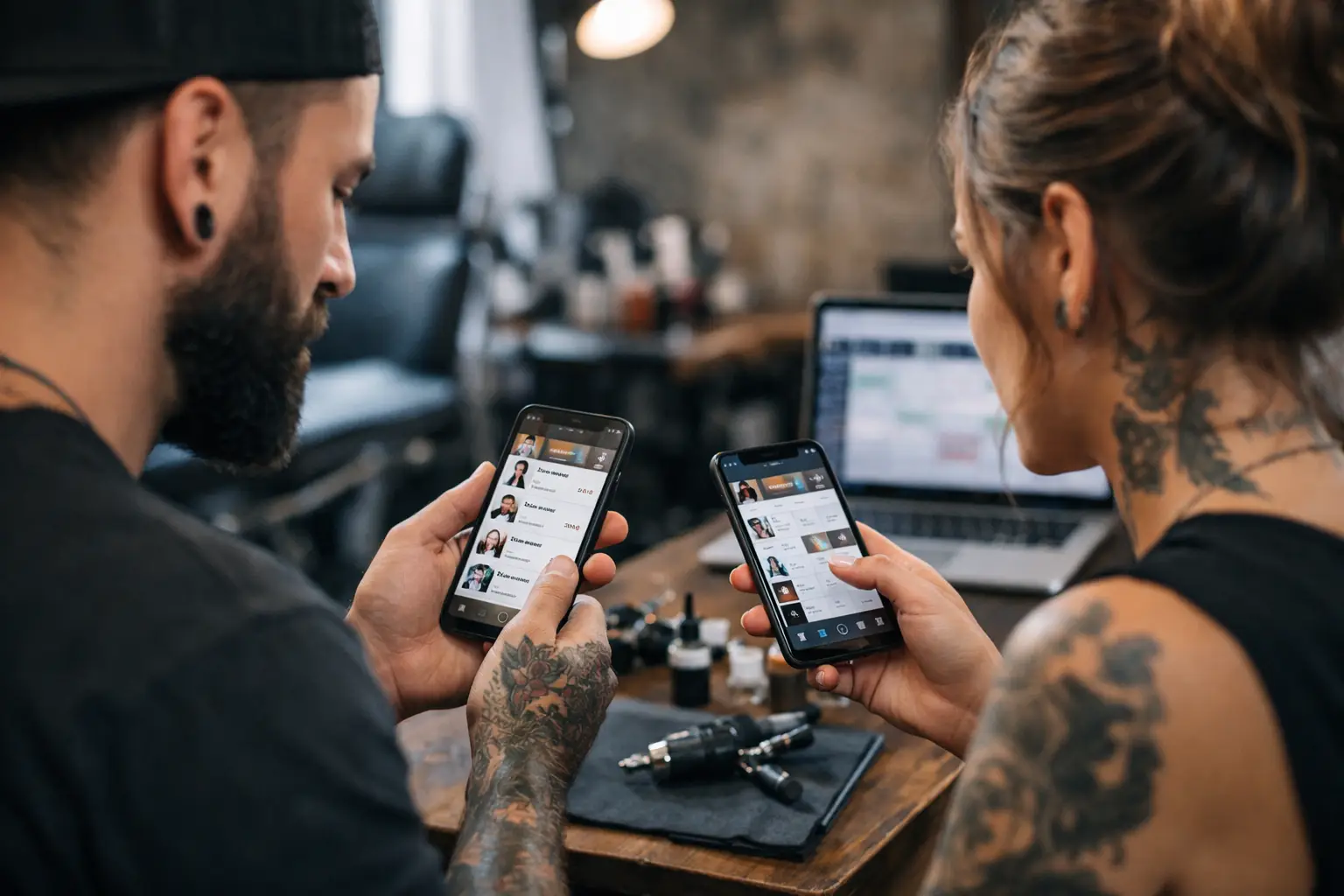
A tattoo studio can have perfect flash, clean lines, and a waiting room full of people who swear they are “definitely ready to book.” None of that helps if your setup is held together by dead pens, missing cartridges, and 47 unread DMs. The tools every tattoo studio needs are not just about making tattoos. They are about keeping the shop clean, the day moving, and your books from becoming a mess.
Here are 10 tools worth having in place before the chaos starts charging rent.
The physical tools every tattoo studio needs
1. A reliable machine setup
You need a machine setup you trust, whether that means rotary machines, coil machines, or a mix of both. The right choice comes down to how you work, what you tattoo, and what feels good after a long session. A machine that looks cool but causes hand fatigue by hour three is not helping anybody.
Keep a backup machine or power option ready, too. Gear fails at the worst possible moment - usually when a client has traveled two hours and you are halfway through a big outline. A backup keeps a technical problem from becoming a full-day cancellation.
2. Needles, cartridges, and a real restock system
Running out of a favorite needle grouping midweek is annoying. Realizing it after a client is already in the chair is a different kind of annoying. Keep the groupings and cartridge sizes you actually use stocked, organized, and easy to check at a glance.
The key is not buying every option under the sun. It is knowing your usual work. Fine-line artists, color artists, blackwork artists, and traditional tattooers will burn through different supplies. Track what moves, set a minimum amount for each item, and reorder before the drawer starts looking desperate.
3. Sterilization equipment and monitoring supplies
Clean work is non-negotiable. If your studio uses reusable equipment, that means dependable sterilization equipment, pouches, indicator strips, and clear logs. If you work mostly with disposable setups, you still need a tight process for handling clean supplies, storing them properly, and keeping contamination out of the equation.
Do not treat this as boring back-room stuff. Clients notice when a studio is clean, organized, and confident about its process. More importantly, your standards should stay the same on a quiet Tuesday as they are during a packed Saturday walk-in day.
4. Barriers, gloves, and sharps disposal
Barrier film, machine bags, clip cord covers, gloves, disposable razors, surface disinfectant, and sharps containers are the supplies that keep your station safe and resettable. They are also easy to underestimate because none of them feel exciting to buy.
Make station setup repeatable. If every artist has to hunt through three cabinets for gloves or barrier film, the room will get sloppy when things get busy. Give every station a standard layout and keep extra supplies close enough that nobody has to leave a client unattended to find a roll of wrap.
5. Lighting that shows the tattoo honestly
Bad lighting can make good work harder than it needs to be. You want clear, even light that lets you see saturation, line weight, skin texture, and placement without creating harsh shadows. Adjustable task lighting is usually more useful than one giant bright light blasting the entire room.
This matters for photos, too. A healed tattoo is the real proof, but clean photos of fresh work still help clients understand what you do. Keep your lighting consistent so you are not trying to rescue every tattoo photo with your phone afterward.
6. A comfortable chair, bed, and artist setup
Clients move more when they are uncomfortable. Artists hurt more when their posture is wrecked. Neither one makes for better tattoos.
A stable tattoo bed or chair, an adjustable artist stool, armrests, and position supports do more than make the studio look professional. They help you work cleaner and more consistently through longer sessions. This is one area where cheap can become expensive fast. Buy what you can maintain, adjust, and trust under real use.
The tools that keep your books from eating your day
7. A stencil printer and a clean design station
A stencil printer saves time, especially when placement changes happen five minutes before the appointment. Pair it with a dedicated design station for your tablet, printer supplies, paper, reference images, and client notes. You do not need a fancy command center. You need a spot where everything is there when you need it.
Keep reference photos tied to the right client, not buried in a DM thread from six weeks ago. “Can you resend that picture?” is a sentence nobody wants to type twice.
8. An inquiry and booking system
This is where a lot of studios lose time without realizing it. A client sends a message. You ask for placement, size, budget, availability, reference photos, and whether they have any medical concerns. They answer three days later. Then you are back at the top of the conversation trying to remember what happened.
A proper inquiry form collects the basics up front: tattoo idea, placement, approximate size, preferred artist, availability, and reference images. That means fewer messages, better-fit bookings, and less guessing. It also helps you spot the people who are ready to commit versus the ones who want you to design a full sleeve for free in the DMs.
9. Deposits, payment tools, and a clear cancellation policy
A deposit is not rude. It is a time reservation. Your drawing time, setup time, and chair time all have value. Built-in deposit collection makes it easier for clients to lock in their appointment and harder for you to end up with an empty chair because somebody “forgot.”
Your policy should be simple enough to understand without a law degree. State how much the deposit is, whether it applies to the tattoo, how rescheduling works, and what happens with late cancellations or no-shows. Then make sure clients see it before they book.
At the appointment, easy payment options matter too. Nobody should be standing at the counter downloading a payment app while you are trying to clean down the station. Take payment, send the receipt, and move on to the next tattoo.
10. Digital consents and client records
Paper consent forms have a special talent for disappearing exactly when you need them. Digital consents keep signed forms, client details, appointment notes, and payment history in one place. They also make repeat clients easier to handle because you are not rebuilding their file from scratch every time they come back.
Automatic consents are especially useful when the shop is busy. Clients can complete the form before they arrive, which gives you less clipboard time and more tattoo time. If you work with a guest artist, multiple artists, or a high volume of appointments, good records become even more valuable.
OneBook puts inquiries, appointments, deposits, payments, and consent forms in one app, so you can stop bouncing between DMs, spreadsheets, and payment requests. It is built for tattoo artists, easy to use, and dirt cheap at $19.99 a month after a free 30-day trial.
Do not buy everything at once
Every studio has a budget, and every artist has a different style of work. A single-chair private studio does not need the exact same setup as a busy multi-artist shop. Start with the tools that protect safety, improve your actual tattooing, and remove the biggest daily bottleneck.
If you are constantly short on supplies, fix inventory first. If no-shows are wrecking your week, fix deposits. If you spend every evening answering booking messages, fix your inquiry process. The right tool is the one that gives you your time back.
Your studio should feel like a place to make great tattoos, not a place where you spend half the day hunting for forms, cables, and clients who vanished after asking, “How much for a small one?” Get the essentials in place, keep them organized, and let the chair do what it is supposed to do: stay full.
