Why a Paperless Tattoo Waiver System Wins
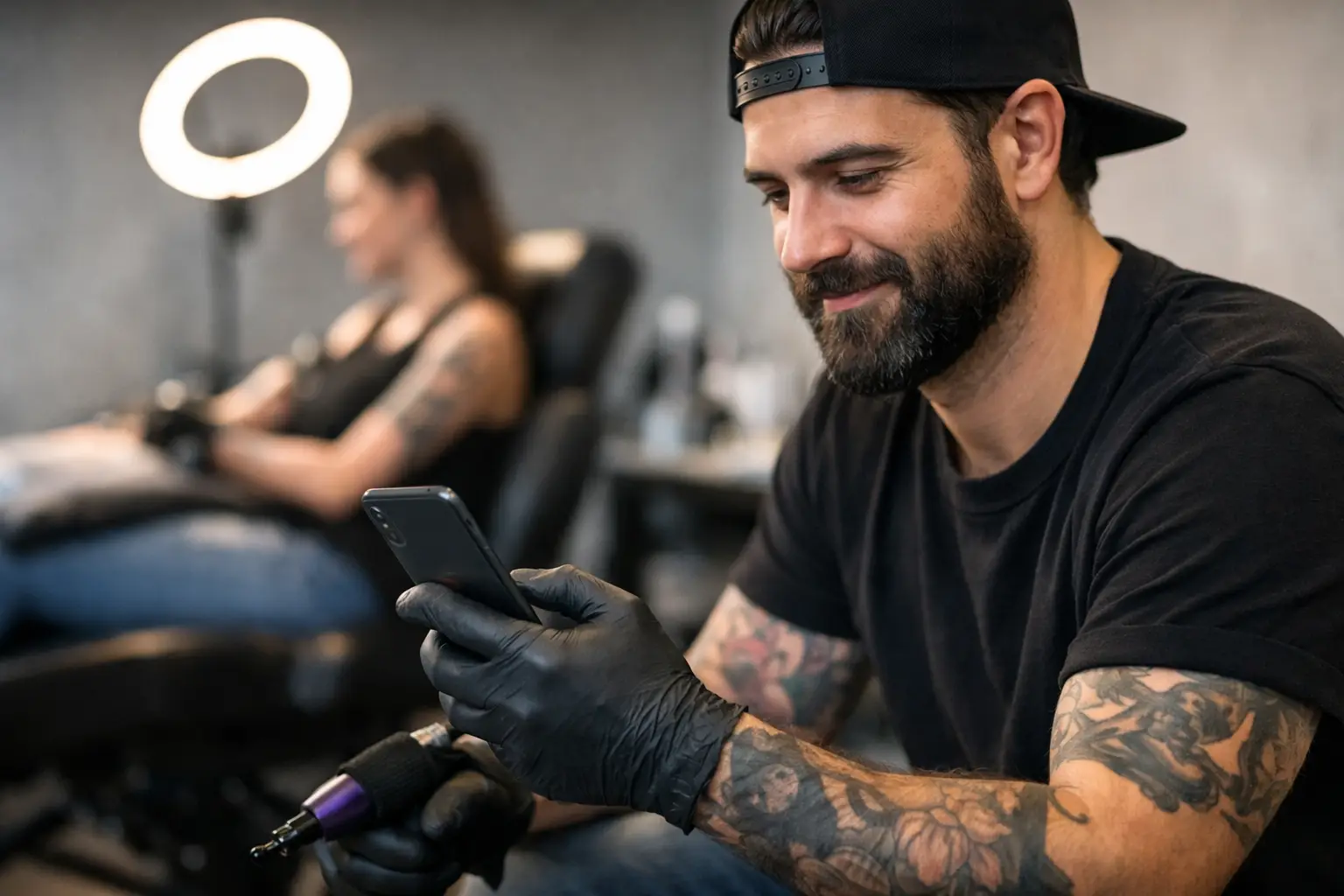
You know the moment. A client is in the chair, stencil is almost on, and suddenly you're hunting for a pen that works, a waiver clip board, or last week's stack of forms that somehow vanished into the shop void. That is exactly why a paperless tattoo waiver system matters. It cuts the dumb little delays that pile up all day and gives you one less thing to babysit.
This is not about trying to make tattooing feel corporate. It's about getting rid of the stuff that slows you down. Consent forms still matter. Client records still matter. Covering your shop still matters. But none of that has to live in a crooked folder under the counter next to old aftercare sheets and a dying Sharpie.
What a paperless tattoo waiver system actually fixes
Paper forms feel simple until you're doing real volume. Then the cracks show fast. Handwriting is messy. Dates get skipped. Fields get missed. Clients put the wrong phone number down. Somebody forgets to sign one box and now you're catching it after they've already left.
A paperless tattoo waiver system cleans that up. Clients fill out their consent form on their phone or at the shop on a tablet. Required fields get filled before they can submit. Signatures are captured clearly. Everything gets saved in one place instead of living in a pile that keeps getting fatter and less useful.
The best part is not that it feels fancy. The best part is that it feels boring. And boring is good when you're talking about admin. You want consents handled quietly, correctly, and without eating up your attention.
Less paper, less back-and-forth
Tattoo artists already do enough unpaid side quests. Answering inquiry messages. Chasing deposits. Confirming appointments. Resending details a client swears they never got. A waiver should not be another thing that creates extra back-and-forth.
When your waiver system is digital, clients can handle it before they show up. That means fewer check-in bottlenecks, fewer awkward waits, and less time spent saying, "Hang on, I just need you to fill this out first." It keeps the appointment moving.
That matters even more on busy days. If you've got back-to-back sessions, every ten-minute delay hits the rest of your schedule. One late waiver can snowball into a late lunch, a rushed setup, and a day that feels cooked by 2 p.m.
Why paper breaks down in real shops
Paper works fine if you only think about one appointment at a time. Real shops don't work like that.
You've got walk-ins, consults, reschedules, repeat clients, guest artists, maybe a front desk, maybe no front desk at all. One artist likes folders. Another tosses forms in a drawer. Someone prints extras. Someone forgets to print extras. Then when you actually need a client's form, everyone suddenly becomes a detective.
Paper also creates storage problems. You need a system for keeping records organized, readable, and easy to find later. That sounds manageable until you've been tattooing for years and your "temporary" filing setup turns into a paper graveyard.
A paperless tattoo waiver system gives you a cleaner trail. Search the client, pull the form, done. No digging. No guessing. No hoping somebody filed it where they said they did.
The client experience is better too
Most clients are used to doing everything on their phone. Booking dinner, signing documents, paying invoices, confirming appointments. Handing them a clipboard in 2026 feels a little like asking them to fax you their reference photos.
Digital waivers are easier for clients because they can take their time, read clearly, and fill things out without a crowded counter situation. It also makes your shop feel more dialed in. Not stiff. Not overproduced. Just organized.
That first impression matters. If the booking was smooth, the deposit was easy, and the consent form was already handled, the client walks in feeling looked after. That usually means less confusion, fewer repeated questions, and a calmer start to the appointment.
A paperless tattoo waiver system is only good if it stays simple
Here's the catch. Not every digital tool is actually easier. Some just replace one headache with a newer, shinier headache.
If a waiver system takes forever to set up, confuses clients, or makes you click through fifteen screens to find one form, it's not helping. You don't need "advanced solutions." You need something easy. Fast. Built for tattoo artists, not for people who think every business runs like a law office.
A good setup should let you send consents automatically, store them with the client's booking, and pull them up without digging through menus. If it doesn't save time during a normal day at the shop, it's just another app asking for attention.
Why all-in-one beats piecing things together
A lot of artists start by patching the process together. Bookings in one place. Deposits somewhere else. Forms on another tool. Payments in another app. It works until it really doesn't.
That setup creates small mistakes that turn into big annoyances. A client books but never gets the waiver. A deposit comes through but isn't matched to the appointment. A consent form is submitted, but now you have to manually figure out where it belongs. That kind of admin drift is what burns time.
An all-in-one setup makes more sense because the waiver isn't floating around by itself. It lives with the appointment, the deposit, the client details, and the payment record. Everything in one place. Less bouncing between apps. Less chance something slips through.
That's where a tool like OneBook makes sense. It was built for tattoo artists who are tired of babysitting admin. Inquiries, bookings, deposits, payments, and automatic consents all live together, which means less back-and-forth and more time tattooing.
It also helps when clients get flaky
Let's be honest. Some clients mean well and still manage to make simple things weird.
They forget the appointment time. They don't finish forms. They say they'll bring cash, then don't. They show up surprised by stuff they were already told. A digital waiver system won't magically fix every flaky client, but it does tighten the process.
When forms are sent ahead of time and tied to the booking, there's less room for "I didn't know." When the consent is part of a clear appointment flow, clients are more likely to handle it before they arrive. That cuts down on last-minute scrambling and keeps you from doing admin with gloves half on.
What to look for before switching
If you're thinking about dropping paper, keep it practical. You want a system that is easy for clients to complete on mobile, easy for you to find later, and easy to connect with the rest of your booking flow.
It should also fit the way tattoo shops actually run. Maybe you want forms completed before the appointment. Maybe you need a backup option on a tablet at the station. Maybe you work solo and need everything dead simple. Maybe you run a busy shop and need artists to stop doing their own weird little filing experiments.
It depends on your setup. But the goal stays the same. Fewer delays. Cleaner records. Less chasing.
This is really about protecting your time
Most artists don't hate paperwork because paper exists. They hate it because it shows up at the worst time and steals focus from the actual work.
A paperless tattoo waiver system won't make you a better artist. It will make the day less annoying. And that's worth a lot. Fewer pens dying mid-signature. Fewer forms getting lost. Fewer moments where a client is ready but the paperwork isn't.
When your consents are handled automatically and stored where they belong, the whole shop feels lighter. Not because tech is magic. Because clutter is gone.
If your current system involves clipboards, drawers, screenshots, and hope, it's probably time. Clean up the waiver process, and the rest of the day gets easier. More tattoos. Less nonsense.
